Author: Richard Cross

Volunteer Voices: A Meeting with Burns Scott

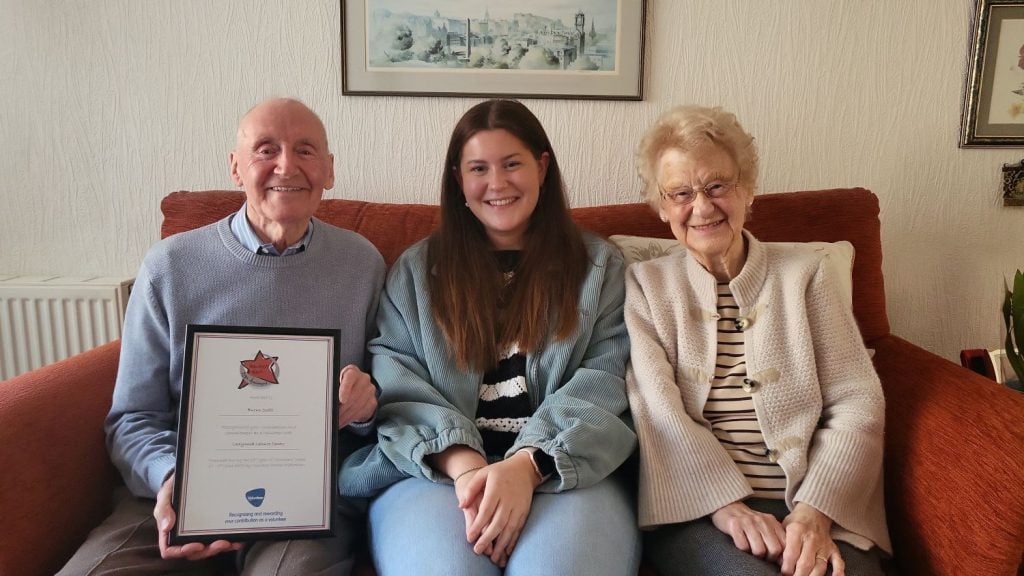
Burns, Julianne and his wife Helen.

This year’s theme for Volunteer’s Week is to Celebrate and Inspire, so with that in mind we visited Penicuik to interview one of Midlothian’s most dedicated volunteers. With over seventy years of experience under his belt, BURNS SCOTT is a source of inspiration to current and future volunteers in Midlothian and beyond. Here we share the highlights of his story as told to Julianne, our student on placement from Napier University. We hope that Burns’ achievements will encourage others to volunteer in their own communities too.  

Burns Scott’s volunteering journey began after World War II, when he initially volunteered for the Royal Navy in 1946. During his time in the navy, he realised that his desire to volunteer had grown into a long-term commitment. Burns expressed to Julianne that his motivation to continue volunteering stemmed from a desire to give back to his community. This motivation drove him to take on various voluntary roles throughout his working life, and even into his retirement.

A varied, rich and rewarding volunteer journey

Over the years Burns came to recognise that volunteering was ultimately worth it, despite the time it took being involved in so many different voluntary roles. He has accumulated an impressive number of awards in recognition of the difference he has made. When asked about his most memorable experience, he told us how enjoyable his involvement in the annual Penicuik Hill Race had been. The event brought people together from all over Midlothian and beyond, using sport to foster community spirit and promote health and well-being. 

The hill race also helped to raise the profile of the Penicuik area, boosting the local economy, and bringing more people into the county too. On one occasion, at the culmination of the event, Burns received a crystal bowl from all the athletes and marshals that had taken part. When his time on the Penicuik Gala Committee came to an end, he was presented with a card that had been handwritten and signed by all the competitors that year. Burns told us that he was extremely touched by the gesture and that it was one of his proudest moments, because people had publicly recognised the contribution he had made.

Connecting with others
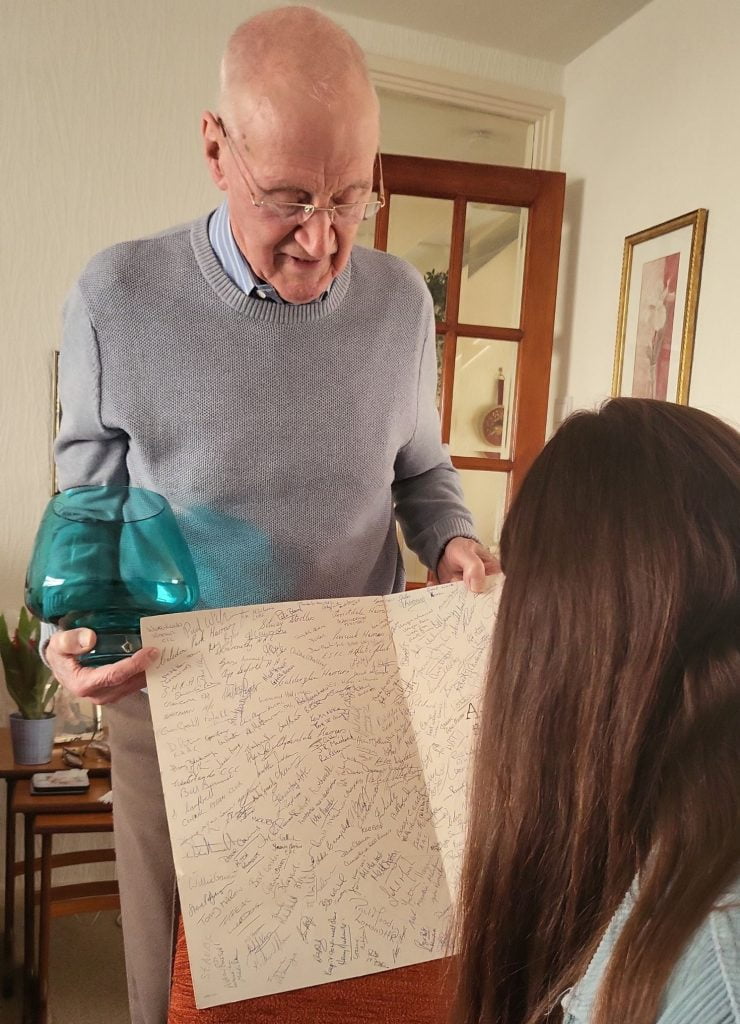
Burns showing Julianne his signed card from all the hill racers.

Volunteering encourages us to meet and connect with people from all sorts of backgrounds, and to make new friends. When asked who had made the most significant impact on his volunteering journey, Burns Scott mentioned Charlie Gordon. They were on the Penicuik Gala Committee together and according to his wife Helen, Burns and Charlie ‘would read each other’s minds’. Charlie was somebody that Burns felt he could look up to. Because of their mutual interest in giving back to their community, they inspired each other to continue volunteering. Often, it is the positive energy occurring between groups of volunteers that can lead to the biggest and most impactful gains.

Keeping up the good work

When asked what advice he would give to someone considering volunteering, Burns was quick to answer. ‘Put your heart and soul into it and give 100% of your effort.’ Burns and Helen emphasised that it is important for people to do something they like and not to give up, despite the challenges that can occur. Burns also observed that once people are volunteering and get stuck into a project, the ‘vibe’ rubs off on them. They become more motivated because other people around them feel the same. This in turn can result in a group of volunteers working hard together make positive changes happen for each other, and for others in their community as well.  

Every volunteer in Midlothian deserves to be recognised for the effort they’ve made to give something back. In the run up to Volunteers’ Week 2023 and the Midlothian Volunteer Awards ceremony on the evening of June 1st, we hope that Burns Scott inspires new and future volunteers as much as he has inspired us at Volunteer Midlothian.

This story was authored by Julianne Nixon.
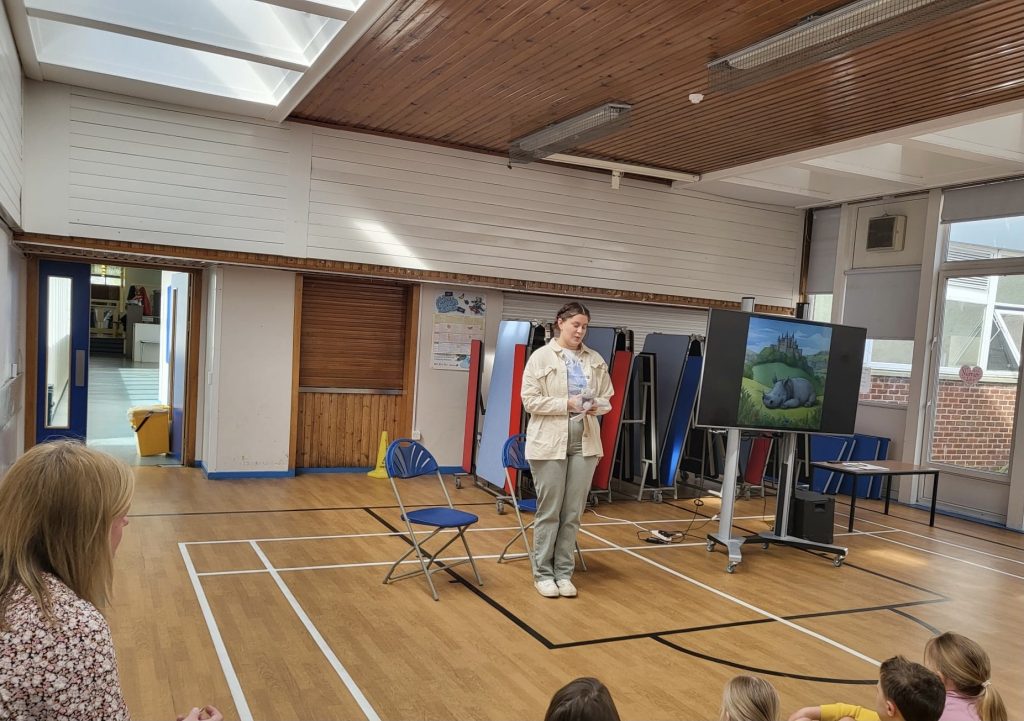
Volunteer Midlothian’s Rhino Mascot Visits Mauricewood Primary School

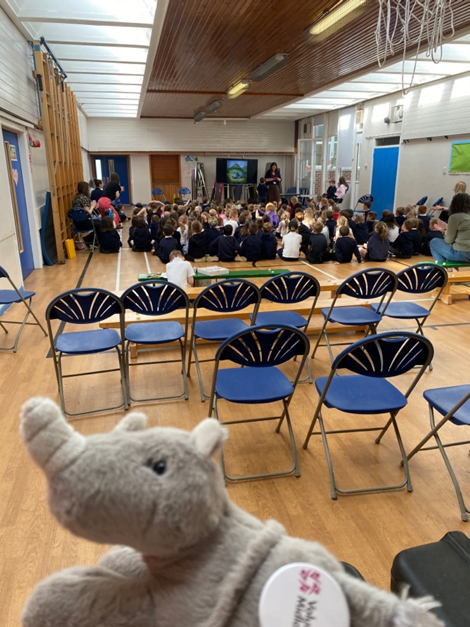
Our Napier university student Julianne visited Mauricewood Primary School last week with Volunteer Midlothian’s Volunteering Development Worker, Magda, to tell pupils about Volunteers’ Week 2023. The pair delivered a special presentation, with all of the children at Mauricewood listening carefully to what was said and asking lots of very thoughtful questions.

Julianne doing the presentation at Mauricewood primary.

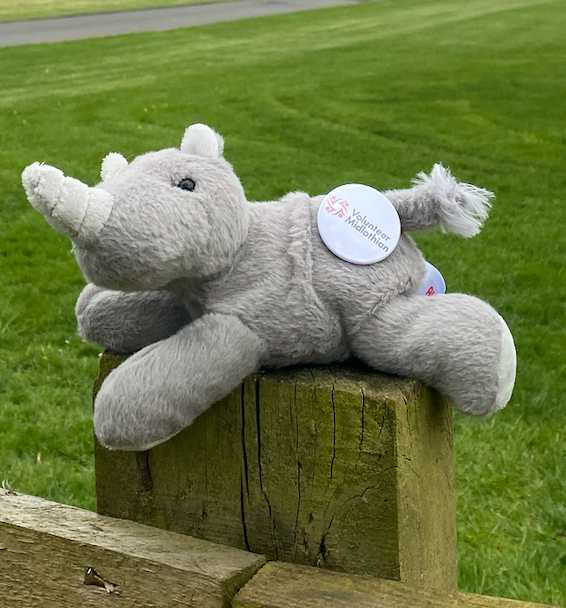
Julianne and Magda took time during their visit to share positive messages with the children about the importance of volunteering. They also introduced our rhino mascot to the pupils, with a short imaginary story about why the mascot has no name and why its mission is to help us celebrate volunteers who make a difference in Midlothian.

The pupils were encouraged to consider what volunteers do within their communities and the benefits that this can bring. Julianne went on to explain the rules for our ongoing ‘Name the Mascot’ competition, which runs from 15th May – 1st June 2023. Children living in Midlothian are allowed to name the rhino, then on the 1st of June the winning entry will be chosen by guests at our annual Midlothian Volunteer Awards ceremony. The winning child will receive a certificate, a rhino toy of their own, and £100 for their school or after school club to spend on new resources.

The pupils of Mauricewood Primary School came up with some great ideas for the rhino during our visit. Names such as ‘Noah’, ‘Hamish’ and ‘Isla’ were among the many suggestions made. We are looking forward to finding out what other entries will be submitted by pupils from other schools and afterschool clubs in Midlothian.

Good luck Mauricewood, as well as all the other schools and children taking part!

Midlothian Volunteers’ Week 2023 Mascot Rhino Competition

What’s my name?

Please send us your suggested name for our mascot rhino. The winner will receive £100, their own cuddly toy rhino and a winner’s certificate. The deadline for applications is Thursday 1st June 2023 at 12 p.m.

Good luck!

Competition guidelines:

  • Any child who attends primary school or after school club in Midlothian can enter.
  • Primary school teachers or club leaders can also enter on behalf of their whole class or after school group, provided the children have chosen the name.
  • There should be only one entry per child or class.
  • If there is a whole class or club entry, individual children from that class can still apply once each.
  • The winner will be announced via Twitter on the evening of 1st June 2023.
  • The school will be contacted in the week beginning Monday 5th June to arrange delivery of the prizes.
  • Midlothian Advertiser may also be invited to cover the story in local media.

[vfb id=5]

Community Climate Action Project

Midlothian Council has set a target of reaching Net Zero by 2030. We are living in a Climate Emergency and it’s imperative that we all take a role, big or small, in tackling the climate crisis. Climate action activities are already taking place across Midlothian. However, there are many people being left out of the climate conversation.

To support community-led climate action, MVA managed a Community Climate Action Project from March 2022 to February 2023. The project was funded through a £10,000 grant from the National Lottery’s Together For Our Planet programme. All projects funded by this programme had to be focused on developing a community-led climate action project.

The two criteria chosen from the programme list that this project set out  to achieve were:

  • Supporting the development of longer-term climate action within communities
  • Celebrating the importance of community-led climate action and encouraging more people to get involved

Through engagement with the Federation of Community Councils, two communities were selected for the research – Damhead, a rural community, and Penicuik, an urban community. Discussions also took place with the relevant Community Councils, and they were in support of this project being carried out in their communities. The research was to be carried out by consultants, and a procurement process took place in summer 2022. A volunteer representative from each community supported interviewing applicants. The decision on who to appoint was made by the community representatives, with help from MVA.

SKS Scotland were chosen to complete the research. The research began in September 2022 and was completed in February 2023.

The outcome of this research was to form a report for each community that included:

  • A community climate action plan
  • Assessment of what a 20-minute neighbourhood means for each community
  • Summaries of discussions from community engagement sessions
  • Future funding opportunities

The aim for this project was to include individuals from all sections of the two communities and to offer them a space to discuss what the climate crisis means to them on a local level and how they can tackle it together. This was facilitated through a stakeholder survey, drop-in sessions in the communities, and online workshops, that took place over the course of four months.

This research helped inform the action plans and allowed the communities to prioritise activities under five main themes:

  • Energy use
  • Active and sustainable travel
  • Re-use, recycling and upcycling
  • Local food and food waste
  • Biodiversity and improving local spaces.

The project was completed in February 2023, and two reports were delivered to the communities for them to take forward.

Thank you to the communities for their engagement and enthusiasm throughout the project, and to SKS Scotland for delivering the reports.

Pop into our 2023 Volunteer Recruitment Fair

Volunteer Midlothian is hosting a Volunteer Recruitment Fair on Thursday 9th February from 10.30 -16.30 in St John’s and Kings Park Church in Dalkeith (opposite the Morrison’s retail store).

Local and national volunteer involving organisations will be there promoting their volunteering opportunities including Rec Cross, Sure Start, NHS, Alzheimer Scotland, Penicuik Storehouse, Gorebridge Beacon, Scouts and more.

The event is an ideal opportunity to meet organisations and find out more about what volunteering has to offer. There will be a warm welcome at the door by Volunteer Midlothian. Free tea, coffee and cake, fresh soup and bread with an area to sit, take time and browse information for visiting adults. For children we have an arts and crafts table.

Midlothian Provost is due to visit and chat to stall holders in her capacity as ‘Midlothian Volunteer Champion’.

There are many reasons why we promote volunteering, it’s a great way to meet new people, get involved, get busy, learn new skills, pass on experience, help improve your own and others’ mental and physical health, help the environment, boost your CV and more.

At times when we do so much online, promoting volunteering with an in-person recruitment event is a great way to connect with people and to build relationships between organisations and potential volunteers on the spot.

This is the first recruitment fair since the pandemic but it is intended to resume as an annual event from now on. It is held in February to inspire people to get involved as part of their New Year Resolutions.

If you are thinking about volunteering but not quite sure where to begin, then this event is perfect for you! Come along and find out how you can develop your skills and make a difference in your local area. For more information call 0131 660 1216.


Anam Cara – Empowering and Supporting Women

Anam Cara Closure Notice: 31 March 2026

Message from Fiona and Julie at Anam Cara:

“It is with a sense of both reflection and gratitude that we announce that Anam Cara will officially close on 31st March 2026. Anam Cara have supported hundreds of women which we wouldn’t have been able to do without your ongoing support. It has been a pleasure working alongside dedicated individuals and organisations committed to women’s emotional wellbeing. Whilst Anam Cara will be closing, the impact we have had on hundreds of women will hopefully not be forgotten. Thank you for the years of partnership and your virtual contribution to Anam Cara.”

Anam Cara is a charity run by women, for women, in East and Midlothian. They offer a programme of workshops aimed at empowering and supporting women to improve their wellbeing by learning how to develop better self-care and coping mechanisms. Anam Cara is motivated by its three core values of compassion, courage and connection, which run through all of the projects and activities that the organisation provides.

Anam Cara helps women who are at risk of slipping through the net of other services that can help them, therefore missing out on the support they need. This can include women in unpaid caring roles, those with substance use issues or other health and wellbeing issues that they need additional support to deal with. Their approach is forward thinking and non-judgemental, with a focus on prevention, harm reduction and early intervention to support the mental health needs of women, particularly those from more vulnerable or deprived communities. As such, Anam Cara was well placed to receive a grant in Year 1 of the Midlothian Communities Mental Health and Wellbeing Fund.

The organisation successfully obtained £8,456 from the Fund to put towards salary and equipment costs for peer support activities with women, including monthly meet-ups and extended one-to-one support that had initially taken root during the first lockdown. In Autumn 2022, we checked in with Marion and Karyn from Anam Cara to see how their projects were developing.

What goes on at Anam Cara?

Every woman who comes to Anam Cara is invited to take a 4-week wellbeing course consisting of live workshops plus access to around 70 online short videos covering a wide range of topics. The videos were a more recent addition aimed at reducing barriers to participation due to information retention difficulties and poor attention span among some participants. They have proved very useful for practicing wellbeing skills in short bursts and have allowed participants much greater flexibility in their uptake of Anam Cara’s services.

“The online wellbeing videos are like a medicine cabinet of information. They give you the chance to develop and revisit these skills and keep on top of your mental health.”

Karyn, lead volunteer with Anam Cara and Midlothian Volunteer of the Year 2022.

Women are also encouraged to repeat the course 1-2 years after initially completing it, because Anam Cara know how useful it is to receive support over a longer period, as life evolves and different challenges come to the fore. They understand that someone may come back to Anam Cara and learn something new, not only due to personal circumstances but because the course itself is constantly being reviewed and improved.

The Sanctuary

The community orientated focus of the Communities Mental Health and Wellbeing Fund links particularly well to Anam Cara’s core value of connection. The grant enabled Anam Cara to develop their Sanctuary drop-in service, where women needing a sense of connection and togetherness with other women have a safe and welcoming space to meet. The Sanctuary offers refresher workshops for women who have already completed Anam Cara’s main programme of workshops, allowing them another chance to practice the mindfulness and wellbeing techniques they learned initially. This is especially important as the programme relies on continued engagement in order to be most effective.

Within the Sanctuary, there are a variety of activities on offer including aromatherapy, holistic healing work, dance classes and more. Each of these activities is centred around improving and preserving good mental health and aims to give women the social connection they need to develop a sense of belonging. Feedback from participants has shown that attending workshops helps women to feel less isolated and alone, whilst also encouraging them to be self-sufficient and self-sustaining when looking after their mental health. Women coming to workshops show positive differences in their outlook even from week one.

Maria, the founder of Anam Cara, believes that this is a result of the organisation’s services being comparatively unique, in that they allow women to gather and support each other in ways that derive from a place of personal experience. There is a very low drop-out rate at Anam Cara, suggesting that its services are not only empowering and inspiring, but effective. Women are learning to reflect on their mental processes, how their minds work, and why they behave the ways they do. They are learning to respond to unhealthy behaviours with better choices, enabling them to move forward and make significant changes in their lives.

“Anam Cara was my only open door. It has strengthened my wellbeing, opened mental pathways, and helped me to develop a safety net to support and protect me. Women here are learning to embrace life and learn tools for their future. It is so important for women to have an option like this that doesn’t just involve hospitals or medication but focusses on togetherness and wellbeing as well.”

Karyn

Future Plans

Moving forward, Anam Cara would like to develop a service focussing specifically on women in later life. Maria had noticed that women in the 45+ age group were going through major life changes, often stepping into unpaid caring roles for elderly parents, whilst dealing with the stress of family life, menopause and sometimes finding themselves using alcohol or other substances to cope – sometimes also working into their 60s or even 70’s. Addressing this unique set of challenges alongside older women is a key future goal for Anam Cara.

Anam Cara are also looking to expand their bank of volunteers to accommodate the increasing need for befriending calls, and to potentially offer the Sanctuary up to women to run themselves as an independent project for users of the service. It all sounds really priomising and we can’t wait to see how Anam Cara develops this work in future. It’s fantastic to see that alongside the other grants they receive, the Communities Mental Health and Wellbeing Fund has enabled continued development of this valuable local organisation for women in Midlothian.

MAEDT Really Makes It

MAEDT is a community development trust dedicated to creating opportunities and improving outcomes for the local community of Mayfield and Easthouses. A key value of the Trust is to work towards alleviating poverty. With that goal in mind, MAEDT runs a wide range of different projects that share one key thing in common: the creation of long-term solutions for local people.

MAEDT has been running since 2007 and new projects are continuously being introduced, including the Community Food Pantry which recently celebrated its one-year anniversary. As well as the pantry, MAEDT runs and hosts projects including a school uniform bank, debt and energy clinics, drop-in sessions with the local Citizens Advice Bureau, employability support, a men’s mental health group, a kinship carers group and a ‘wheelbeing’ hub for bicycle repairs and socialising. Central to these groups and projects is MAEDT’s pavilion, community garden and café, where a hub of different activities take place on a daily basis, come rain or shine.

MAEDT’s Pantry and Pavilion

Over the last 2 years, MAEDT saw how the pandemic increased unemployment and food bank referrals in the Mayfield and Easthouses area. Wanting to focus on reducing food poverty and improving people’s access to healthy food, MAEDT introduced a community food pantry. ‘The Pantry’ is a shop where food items are marked as either 1 or 2 credits each, and shoppers can buy 10 credits for £3.50. In addition to the credits, members are offered free fresh fruit and vegetables, sanitary products and bakery items.

To shop at the Pantry, individuals must become members. This free requirement helps to create a sense of equality among staff and users, so that people can be open about what they need and when they need it. The get-to-know-you membership model has helped people to feel comfortable in sharing personal stories about their mental health, challenges within their home life and stressors they are experiencing. It has become a hub where trust between local people can grow.

The Pantry helps to remove the stigma associated with accessing free and discounted food, providing resources that are much needed in a dignified and empowering way. Rather than feeling shame about not being able to afford food or cook from scratch with it, members are encouraged to broaden their cooking knowledge, introduce new flavours and be imaginative with healthy ingredients. Additionally, buying more affordable food from The Pantry means that members can put money towards other essentials such as energy bills, making this a service that helps in more ways than one.

The outside space at MAEDT’s ‘Pavilion’ hub underpins a lot of their work. Gardening activities act as vehicles for volunteering, community payback and rehabilitation. Using the garden in these ways is a non-stigmatising option for people belonging to vulnerable groups and can help them to better manage their own wellbeing. Moreover, the garden offers a safe space for people to improve their mental health by making connections with others, their community, and with nature. Local women Sharon Hill, who is also the manager at MAEDT, explained to us that individuals volunteering together at the Pavilion learn to bring out skills in one another, for example using maths to plot out a garden project, or conversation skills to engage with other volunteers who may find socialising difficult.

All of our volunteers offer something unique; a skill, knowledge or vulnerability that can help bring out something in another person.

Sharon Hill, MAEDT Manager.

How was the Fund used?

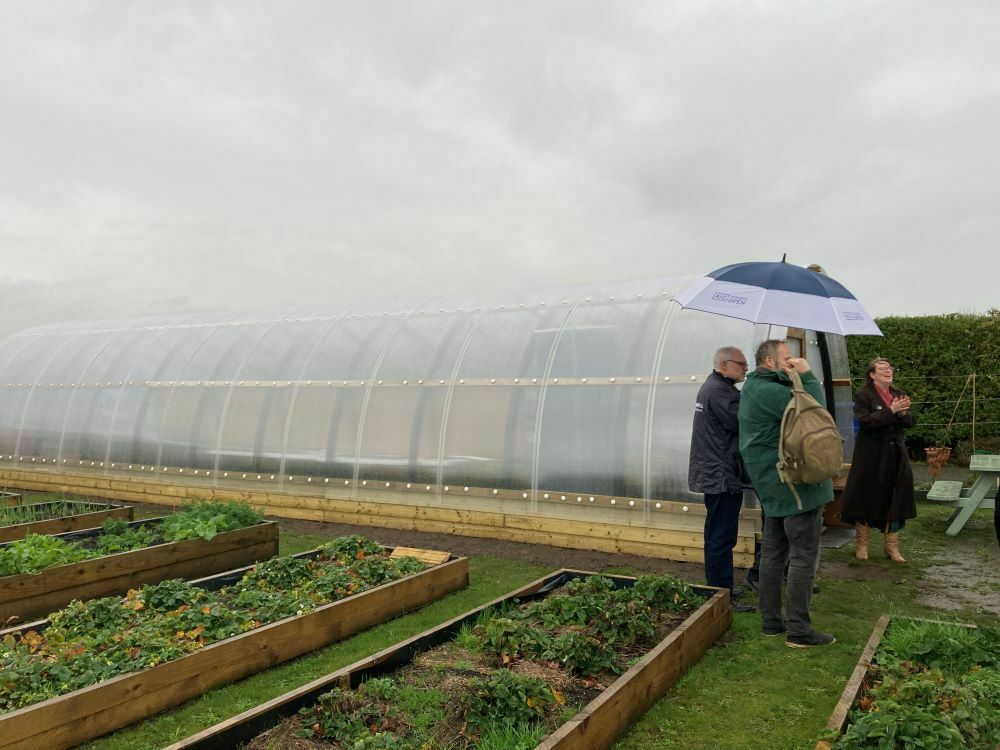
Part of the grant that MAEDT received from the Communities Mental Health and Wellbeing Fund was used to pay for MAEDT’s Enterprise Development Worker, so that the Pavillion could open more often. The funding also paid for a structure in the garden called a Polycrub, as well as a pergola, making the expansion of gardening projects for volunteers possible.

What next?

MAEDT is always looking to the future and thinking about what the community in Mayfield and Easthouses will need next. Aside from the impending cost of living crisis and responding to what looks set to be a difficult winter, ideas for upcoming projects include a sensory park, an electronic rickshaw, and collaboration with partner organisations to embed the pantry model in other areas. For other places in Midlothian to set up their own pantry initiative, a large, centralised project would need to be organised to ensure that food is being dispersed equally. Sharon’s idea would be to use MEADT’s Pavilion as the central location for donations, and to use it as a network hub for distribution.

Reaching this point has taken several years of hard work from MAEDT volunteers and those who work for the organisation in a paid capacity, but it certainly seems as though all the hard work has been worth it. We applaud the team for their worthwhile efforts, and we look forward to supporting the Trust with its ongoing development in the years ahead.

Bonnyrigg Rose Community Football Club: Championing Football and Mental Health

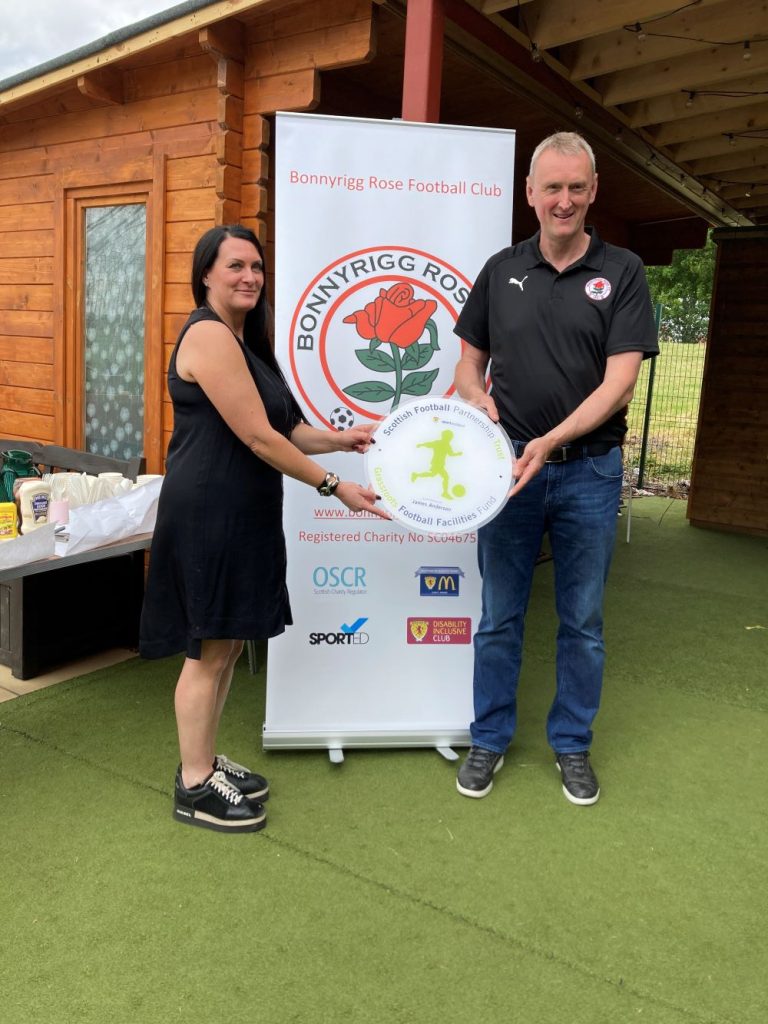
Bonnyrigg Rose Community FC (CFC) is a football club that is gaining recognition for its work championing mental health and wellbeing in Midlothian. As such, it was one of four local charities to receive a larger grant from the Midlothian Communities Mental Health and Wellbeing Fund in 2022. A total of £36,884 was awarded via Midlothian Third Sector Interface to enable the ongoing development of services for local people, including peer support groups, mental health training courses and refurbishments to the club’s community hub building.

The way the BRCFC’s staff and trustees see it, football and mental health are deeply inter-connected. It wasn’t always this way however, because prior to 2019 the club’s main concern had been to ensure that its ageing astro-pitch was replaced. Community programmes were seen as being important, but up until that point they had been viewed as more of a side project to football related activities.

A pivotal moment came when the club held a special one-off community event in the summer of 2019, with the input of Midlothian Council’s Communities and Lifelong Learning team. At the event local people were asked about what their town needed and what they wanted from the club, by completing a survey tool known as the ‘Place Standard’. The responses gathered highlighted that Bonnyrigg lacked groups and activities for older people, as well as needing more targeted opportunities for young people. It also became clear that the club had the potential to play a role in championing grassroots mental health initiatives. This meant moving beyond a focus on sport alone, embedding themes such as wellbeing and connectedness more deeply throughout the club’s community programmes.

Trish Sime (Development Manager) and Jim Wilson (General Manager).

Since 2019 the club has worked with organisations such as Health in Mind to expand the delivery of initiatives including ‘Midlothian Men Matter’. BRCFC’s premises also provides space for several groups which help to reduce loneliness and isolation among local people. Given the high rates of suicide among young men in Scotland and the club’s ability to reach this target group through football and sport, an key date in the calendar for Bonnyrigg Rose is Suicide Prevention Week, which takes place every year in September. To raise awareness of this issue, the club has hosted free Mental Health First Aid training for anyone in Midlothian with an interest in attending. Group based coaching work with younger men who are struggling to cope has also been a feature of the club’s provision over the past 18 months, alongside school-based wellbeing programmes, yoga, free counselling and peer support activities.

We caught up with Trish Sime (Development Manager) and Jim Wilson (General Manager), a few months after they received the club’s grant from the Communities Mental Health and Wellbeing Fund, to find out what has been achieved so far. Trish and Jim explained that the Fund has given them more freedom to continue linking football and mental health together by giving them additional resources – including core staffing hours – to focus in on progressing their plans for more community-based provision. Knowing that physical space is a particularly important resource and in short supply, the club got to work quickly in using their capital grant to replace old windows in the community hub building, making it a warmer and more welcoming facility. By investing in physical spaces where people can connect with each other more, the club is paving the way for further investments in community mental health and wellbeing.

Having charted the huge efforts made by BRCFC to support mental health and wellbeing in Midlothian, the Union of European Football Associations (UEFA) found that the impact of community participation in the club was worth an amazing £3.95 million. This commendable achievement is underpinned by UEFA’s commitment to support the club and its activities in the longer term, helping to build an even stronger foundation for the involvement of the community in helping to decide on future priorities (not just those that related to football)

Speaking about the connection between sport, community and mental health, Trish Sime told us:

“Sport brings people together. Through teamwork and a positive attitude, relationships are fostered, and trust is created. People rely on their teammates, friends, and peers to help them through challenges – both on the field and off. Using the power of football and sport in general to talk openly about mental health and to break the stigma is positive, and it’s the right thing to do.”

Trish Sime

We couldn’t say it better than that, and we’re keen to see what comes next for the club because the future for BRCFC looks bright. You can follow BRCFC on Twitter or check out the main BRFC club website for more info about what they are up to.

Resist potential cuts to third sector budgets

We are once again concerned that there will be cuts to third sector budgets by statutory funders.

We wish to strongly resist this, and we are keen to make sure that decision-makers are aware of the impact of cuts. Therefore, we have created this short survey which aims to identify how much additional funding statutory grants/SLAs allow us to lever in, the volunteer input it facilitates, and the number of jobs at risk. Please take a moment to contribute to this very important research.

TSI Statement on the Death of Her Majesty Queen Elizabeth II

We were deeply saddened to hear of the death of Her Majesty Queen Elizabeth II on the afternoon of Thursday 8th September 2022. The Queen dedicated her life to serving the British people and was a strong supporter of charities and volunteering in Scotland. It is the end of an era and marks the passing of time in a period of significant change and uncertainty.

Midlothian’s Lord-Lieutenant and Provost Richard Callander, Scotland’s First Minister Nicola Sturgeon, and the UK Government’s Prime Minister Liz Truss all paid tribute to The Queen yesterday. Books of condolence will be open on Friday 9 September from 10am at venues across Midlothian. There will also be the opportunity to leave flowers in some locations. You can find full details of this on Midlothian Council’s website.

We are awaiting information about what will happen next and will circulate a further update to the third sector in Midlothian once guidance is issued. 

Recognising and supporting unpaid carers in your workplace

There are an estimated 1.1 million carers in Scotland and an estimated 1 in 8 people in the workforce are unpaid carers. Many carers juggle employment alongside their role as an unpaid carer.

Who is an unpaid carer?

A carer provides unpaid care to a family member, partner, relative or friend of any age who needs help to manage a long-term condition, disability, physical or mental health condition or addiction. Many carers don’t see themselves as a carer, instead they consider it part of their duties as a partner, parent, son, daughter or friend. Regardless of who a person cares for, or the reason they provide this care, it is important that carers are identified and supported.

Balancing work and care can be a challenge at the best of times, but ever changing situations and the transition back to the workplace may also present additional stress. Anyone can become a carer at any time in their lives and some of your team may have new or increased caring responsibilities.

Ensure your team members know that you’re happy to chat and address concerns they might have. One simple way to make your team feel they can talk about caring is by mentioning it in a team meeting. It’s always a good idea to ensure staff know about your organisation’s internal policies, such as carer’s leave, time off for dependents and flexible working that may support them in their caring role. Changes in legislation also mean that carers will be able to request up to one week of unpaid carer’s leave.

Identifying carers

Managers might be worried about initiating conversations about caring but likewise, team members might also feel reluctant or nervous to discuss their personal circumstances, especially if they are unsure of the support that is available.

As a manager, try asking your team members some of these questions:

  • It sounds like life is quite busy/challenging just now. How are you feeling? What’s keeping you going?
  • Would it be ok if I asked you a bit more about….It sounds like you may have a caring role?
  • What would help you? What can I do to support you?

Ensuring staff feel supported and valued at work will have a direct positive impact on morale, productivity and health and wellbeing. It can also help staff to stay in employment which will benefit your organisation and the individual.

Simple adjustments at work such as flexible hours, a carer’s leave policy, and an internal carers’ network can go a long way to ensuring carers are supported in the workplace. Employers can also signpost carers to VOCAL (Voice of Carers Across Lothian).

VOCAL can help

VOCAL is a charity that provides support for carers including access to information, counselling, legal and benefits surgeries, and free learning and leisure events.

VOCAL can support employers with a range of tailored training courses including ‘Identifying and Supporting Carers in the Workplace’.

Visit www.vocal.org.uk or email midlothian@vocal.org.uk for more information.

Preparing for winter

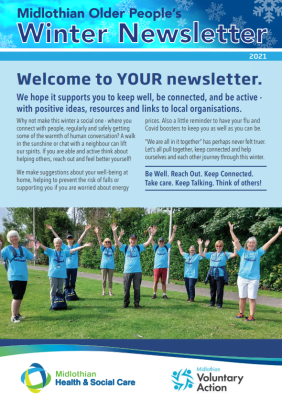
Winter can be a hard time for older people – from trying to stay warm to dealing with dicey pavements. With Midlothian Health and Social Care Partnership we’ve published a newsletter to help older people make the best of it.

Our Winter Newsletter provides tips on wellbeing, heating bills, staying social and is full of useful links to local organisations.

Forward Mid, who represent the interests of disabled people in Midlothian have also released their December newsletter with details on how to stay safe over the festive period. Free copies can be picked from the MVA office, in Midlothian libraries and online.

Let’s all stay connected and help each other through this challenging winter.

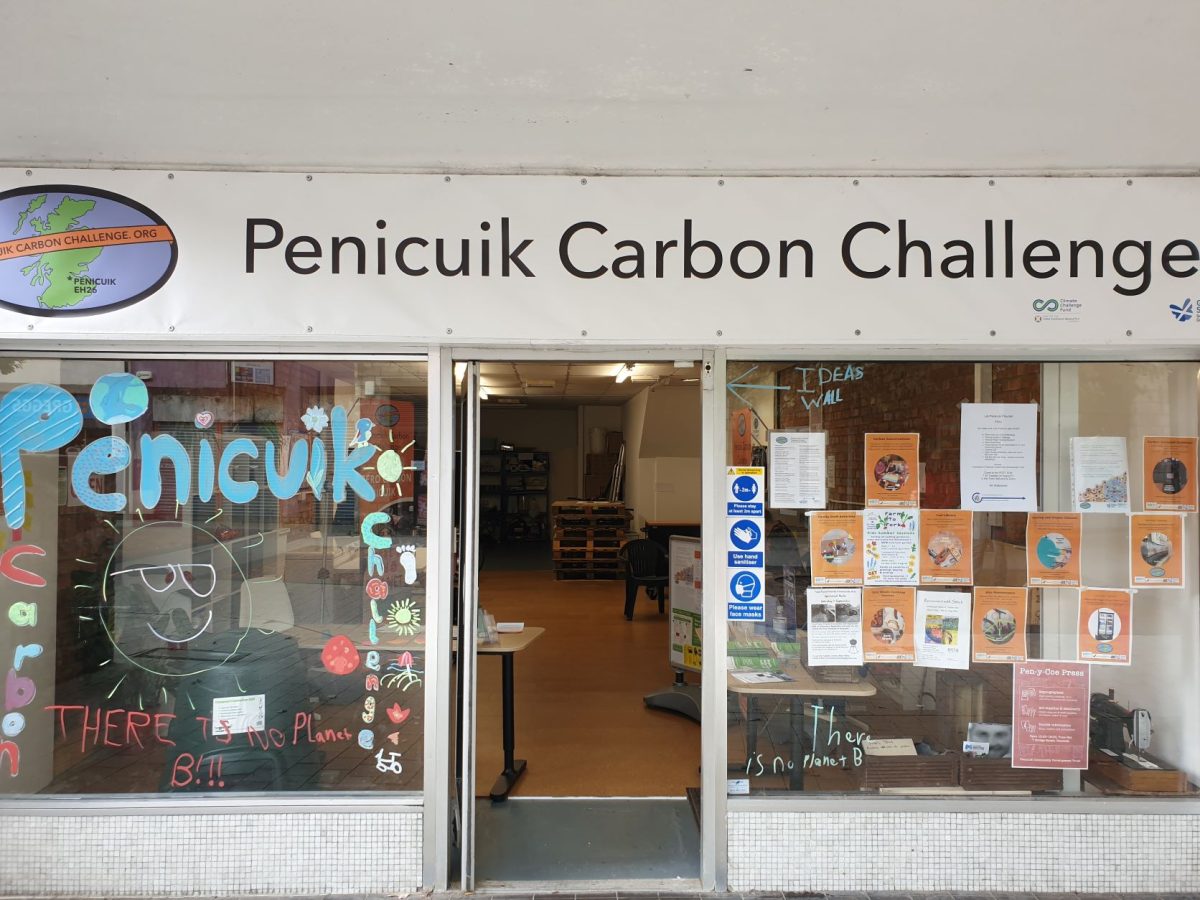
Social Enterprise in the Spotlight: Penicuik Carbon Challenge

With the UN Climate Change conference (Cop26) happening in Glasgow from Sunday 31 October to the 12th of November, Fraser Waugh caught up with Rene O’Reilly at the Penicuik Carbon Challenge (PCC) to talk about all things eco-friendly, sustainable, and how this project aims to educate residents on how to lead more eco-conscious and less wasteful lives.  

How did PCC get started?

The Storehouse Penicuik sells goods that are good for people, the community and for the planet, always ethically sourced and local as possible. Everything we sell uses small-scale suppliers and short supply chains to ensure sustainability and traceability. Through this, and our customers shopping with us, we aim to be a pivot point in enabling people to live a more sustainable life.

What are some of the responsibilities you have at the PCC?

I deal with the zero waste lifestyles portion of Penicuik Carbon Challenge i.e. bicycles re-makery, the tool library, eco art classes, fixing and repairing normal everyday household objects, use surplus food to supply to Food Facts Friends and am involved in a variety of other community projects as well

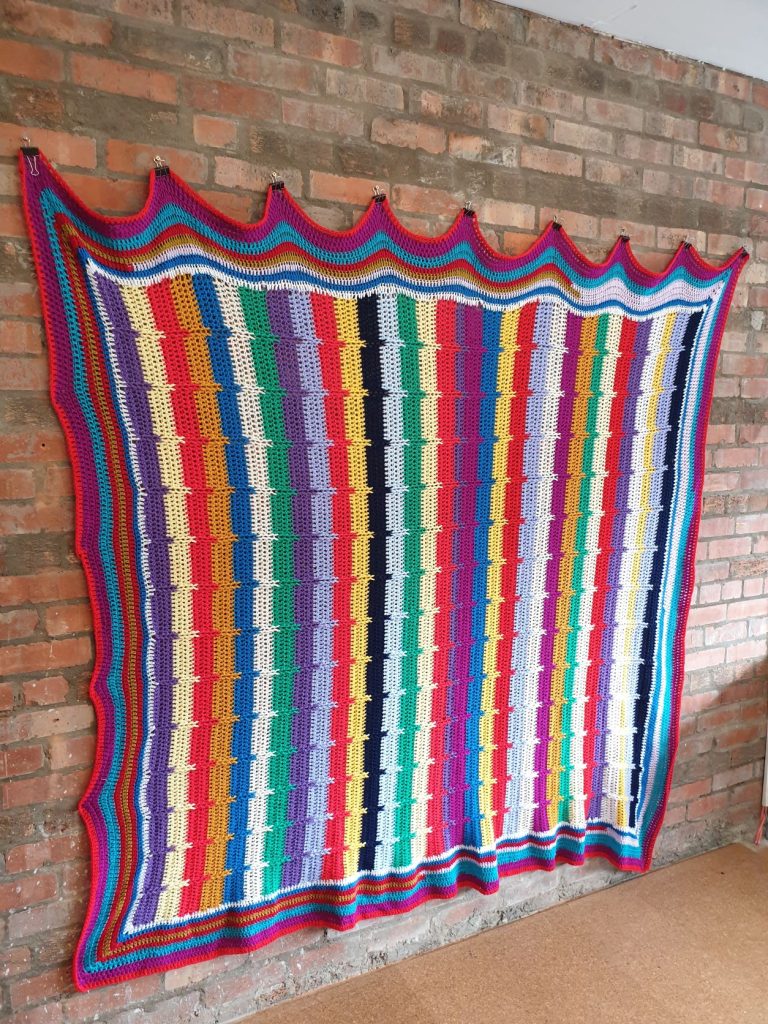
Crochet crafts at PCC!

How does someone go about volunteering at the PCC? What roles could they get involved in?

They can come to us directly at our premises in Penicuik town centre where they can share their ideas and what they are most interested in, so that they can share their skills and expertise with others who come in asking about getting help with that specific service that PCC offer.

It’s all own the volunteer’s own terms- if they want to do something we don’t currently offer we can facilitate this. And we are very open to suggestions- we have a space for this on sticky notes at the front our place on John street.

Tell us how you seek to be a hub for the community?

We see our location in the town centre as a marketing tool because it is essential for people to know more about what we do at PCC. By engaging with the community in this way at our premises we talk to a wide range of people that we wouldn’t usually, therefore widening our audience and opportunities for promotion.

What can people get involved in?

This is our autumn programme of activities which will be updated with new events taking place in the future, here’s what you could expect:

PCC’s Autumn Programme of Events- more to follow in the future!

When people come into PCC they often ask if we would take…?

And the answer usually is yes! We do even if we haven’t taken anything in like that before! We take everything and anything, we’ll find a way to reuse/recycle it to be as useful as possible- to give it a second life. It is all about learning to repurpose seemingly useless items.  These could be donations of bikes, tools, electronic goods that we have a specialist that PAT tests for us, materials for art classes etc.

*****

As Rene has mentioned the PCC’s mission is to enable people to live more sustainable lifestyles within Penicuik and the surrounding areas. This is in parallel to two of Cop26’s goals- adapt to protect communities and natural habitat and working together to deliver climate change targets. Penicuik Carbon Challenge achieve this by adjusting people’s habits, working together and getting them active in the natural environment- all reducing their carbon footprint and taking steps closer to net zero targets.